
Loading...
Serving Prescott Valley, AZ and surrounding areas. (928) 458-7263
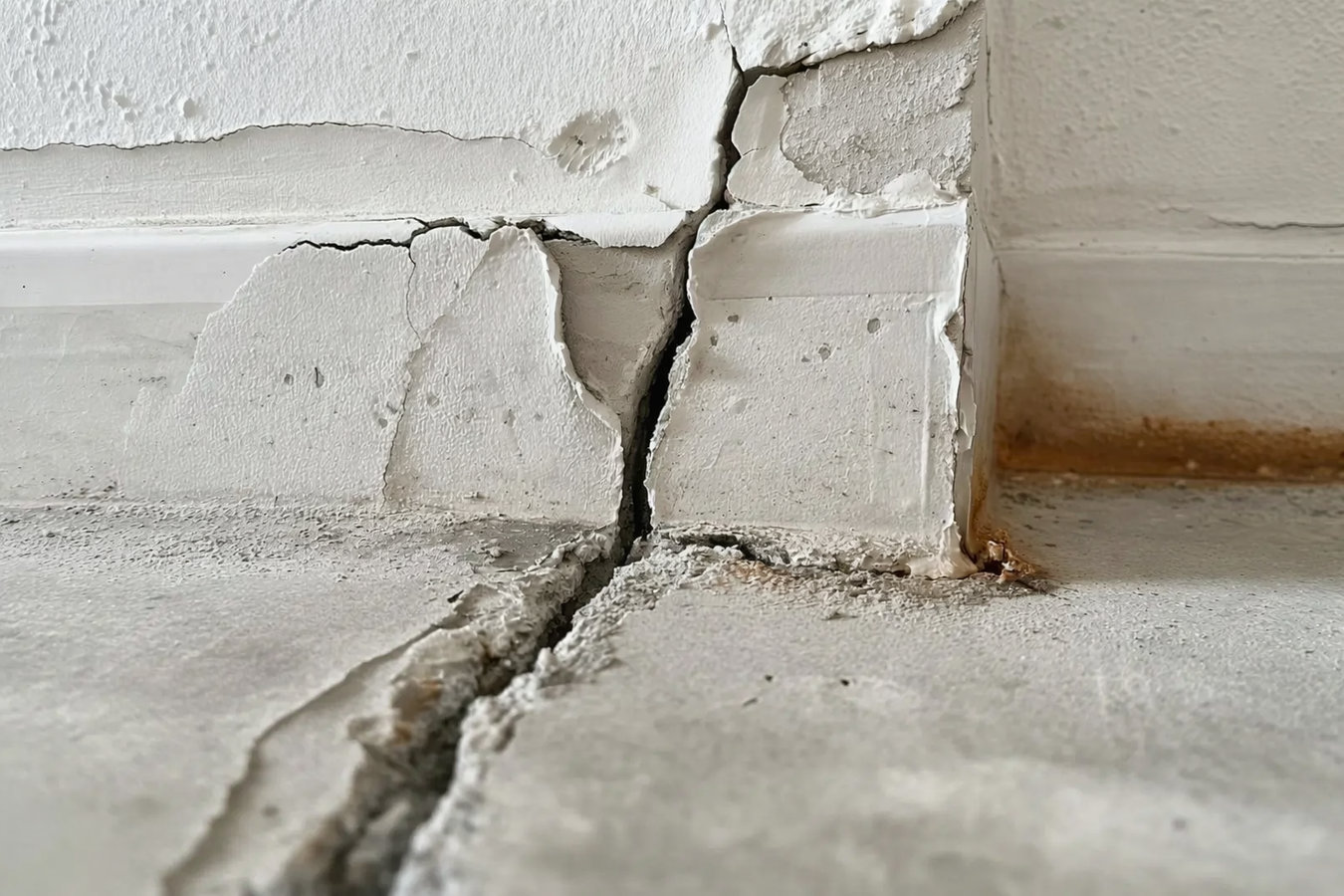
A sunken driveway or dropped patio slab does not have to mean a full tearout. We lift settled concrete back to level using proven methods - most jobs are done the same day.
Foundation raising in Prescott Valley is the process of lifting a sunken or uneven concrete slab back to its original level position by pumping material underneath it through small drilled holes - most residential jobs take two to six hours and allow normal use the same day. It costs roughly half of what a full concrete replacement would run, and it leaves your yard and landscaping intact when the crew leaves.
If your driveway has a section that dips underfoot, your patio has pulled away from the house, or water is pooling near your foundation after a monsoon storm, the soil underneath has likely shifted. Prescott Valley sits at about 5,100 feet in elevation, and the clay-heavy soils in Yavapai County swell with monsoon moisture and shrink during dry stretches - that cycle is one of the most common reasons slabs settle here. If the slab itself is structurally sound but just sitting lower than it should be, raising is almost always the smarter first step before considering slab foundation building.
When a foundation shifts, door frames and window frames shift with it - even slightly. If a door that used to swing freely now drags on the floor or a window that opened easily now sticks, something has moved underneath your home. This is especially worth checking after Prescott Valley monsoon season, when soil movement tends to peak.
Cracks that run diagonally across a concrete slab and are wider on one end than the other signal that one section has dropped relative to another. Prescott Valley clay soils and freeze-thaw cycles make this kind of cracking more common here than in lower-elevation desert communities. A crack you can slip a quarter into is worth having looked at.
Walk across your driveway, patio, or garage floor and notice any spot where your foot drops unexpectedly. Even a half-inch drop creates a trip hazard and signals that the soil underneath has shifted. This kind of uneven surface is one of the clearest signs that foundation raising could fix the problem.
If water collects against your home foundation after a monsoon storm rather than draining away from it, the ground may have settled in a way that reversed the slope. Standing water near a foundation accelerates soil erosion and makes settling worse over time. Prescott Valley intense summer storms make this worth checking every year.
We lift settled driveways, patios, garage floors, sidewalks, and the slabs around pool decks and entryways. Every job starts with an on-site assessment - we look at the slab from multiple angles, check for cracks, measure any height differences, and probe the soil if needed. That visit is how we figure out what caused the settling, not just how far the slab has dropped. A contractor who skips this step and goes straight to lifting is one to be cautious about.
We offer both mudjacking - which pumps a cement-and-soil slurry underneath the slab - and polyurethane foam injection, which uses an expanding foam that cures in minutes and is lighter on the soil. Which method makes more sense depends on your specific soil conditions and what the slab is being used for. If the assessment turns up a slab that is cracked beyond what lifting can fix, we will tell you honestly - and our concrete cutting service can remove the damaged section cleanly so a new pour starts on stable ground. For properties that need a full base rather than lifting, our slab foundation building team handles that work as well.
Best for homeowners with large settled slabs - driveways, garage floors, patios - where cost efficiency matters and the slab can be off limits for 24 hours.
Best for homeowners who need quick return to use or whose soil conditions make adding heavier fill material a concern - cures in minutes, not hours.
Best for slabs where voids have formed under the surface but the concrete has not yet dropped - fills the gap before settling begins and prevents future movement.
Prescott Valley sits in Yavapai County at roughly 5,100 feet, where soils range from sandy loam to clay-heavy deposits. Clay expands when monsoon rains soak it in July through September, then contracts as the ground dries through fall and winter. That ongoing cycle pushes and pulls on concrete from below - which is why so many homeowners here notice new settling every year rather than once. The problem is not just age or a single weather event. It is the ground itself moving on a seasonal schedule. The USGS Southwest Region has documented the soil movement patterns common to this elevation range.
Prescott Valley has also grown fast, with much of the residential housing stock built between the 1990s and 2010s on land that was graded and compacted quickly. Some of that fill soil has been slowly settling for decades - which means many homes are just now reaching the point where slabs that were level when they were poured are no longer sitting flat. Homeowners across Prescott Valley and nearby Chino Valley deal with these same soil conditions, and contractors who know the area understand what to look for during an assessment.
We ask a few basic questions - where the settling is, how long you have noticed it, and whether there are any cracks or trip hazards. Most requests get a reply within 1 business day, and we schedule the on-site visit from there.
We walk the area with you, check for cracks, measure height differences, and probe the soil if needed. This visit is free - and we will explain what we think caused the settling, not just what we plan to do about it.
You receive a written estimate covering the full scope. If a permit is required through the Town of Prescott Valley, we note that and handle the paperwork - no verbal-only quotes for structural work.
The crew drills small holes, pumps material underneath, and monitors the slab as it rises. Holes are patched with concrete, the area is cleaned up, and we walk you through the finished work before leaving - including what to watch for in the months ahead.
Written quote, no obligation. We explain what we found and what it will cost before you decide anything.
(928) 458-7263A slab that gets lifted without understanding why it settled will often drop again within a few years. We assess the soil condition and drainage around the area before recommending a method - so the fix addresses the cause, not just the symptom. That matters in Prescott Valley more than in most places.
Foundation work in Arizona requires a state license from the Arizona Registrar of Contractors. Our license is on file and searchable. That license means there is a formal accountability structure if anything goes wrong - something an unlicensed crew cannot offer.
Your written estimate covers the full scope. If something unexpected comes up during the work - a larger void, additional settling in an adjacent slab - we stop and talk to you before doing anything that changes the price. No surprise bills when the job is done.
Some foundation raising work in Prescott Valley requires a permit from the Town Community Development Department. We check before scheduling your job and handle the paperwork when it is needed - so your work is on record and there are no complications at closing if you sell your home.
These are not just selling points - they are the specific things that protect you when you hire a contractor for work that will be buried under your property. Call or submit a request and we will come look at the situation with you.
When a slab is cracked beyond what lifting can fix, precise diamond-blade cutting removes the damaged section cleanly so a new pour starts on solid ground.
Learn MoreFor properties that need a new concrete slab from the ground up rather than lifting an existing one.
Learn MorePrescott Valley summer storms can turn a small settling problem into a bigger one fast - call now or submit a request and we will get on the calendar.