
Loading...
Serving Prescott Valley, AZ and surrounding areas. (928) 458-7263
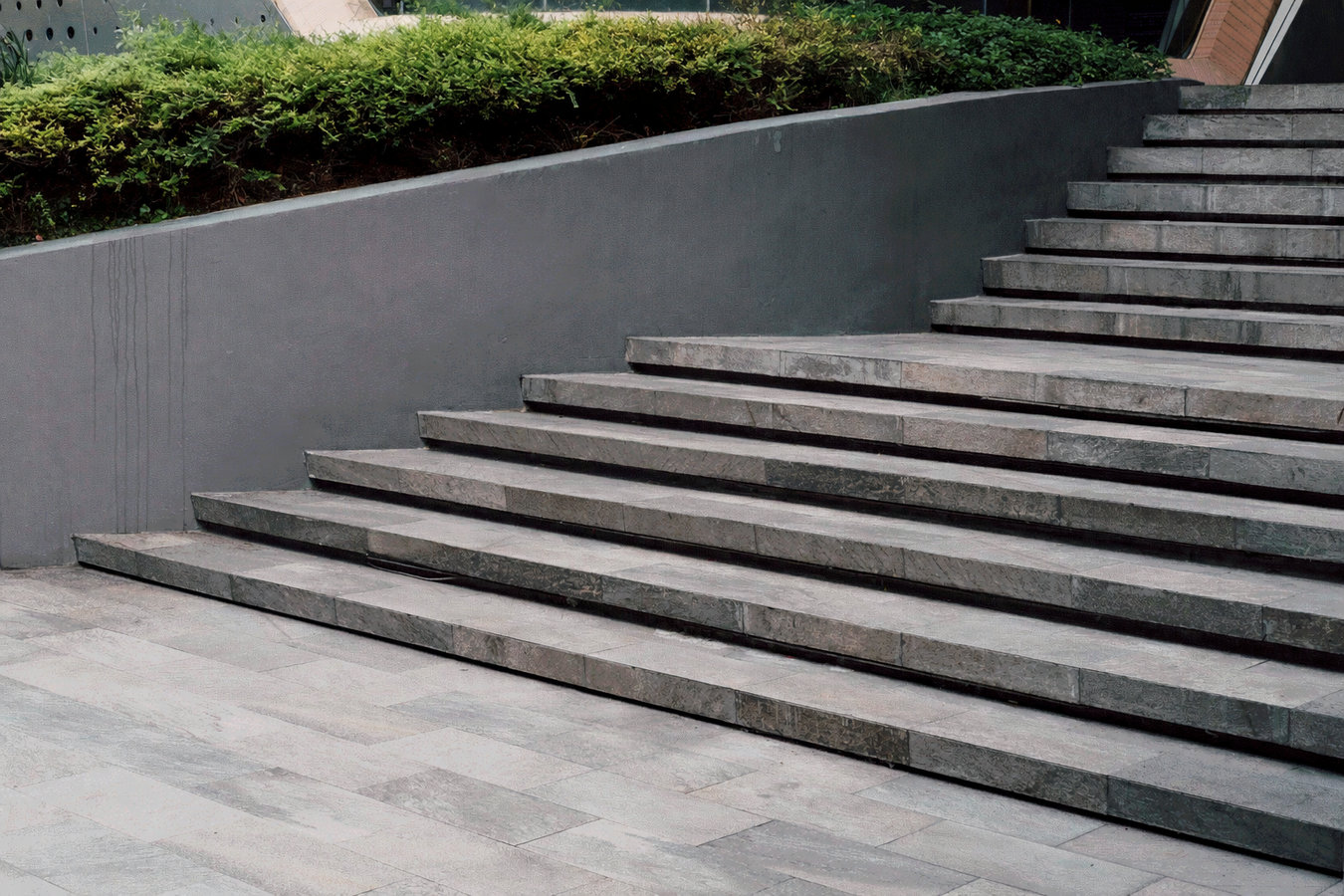
Your front steps are cracking, tilting, or becoming a trip hazard. We build rebar-reinforced concrete steps designed to handle Prescott Valley winters, clay soils, and monsoon drainage - and we handle every permit.
Concrete steps construction in Prescott Valley takes one to two days from first pour to a surface you can walk on, with most standard three-to-five step sets costing between $1,200 and $3,500 depending on size, finish, and site conditions.
Most homeowners contact us when their existing steps have started cracking, tilting, or feel unsteady underfoot. In Prescott Valley, the combination of clay-heavy soils that move with seasonal moisture and wide temperature swings between winter nights and summer afternoons puts real stress on concrete steps that were not built with those conditions in mind. A cosmetic patch rarely holds - the problem is usually in the base, not the surface.
If your entry path is also showing wear, our concrete sidewalk building service is a natural complement - many homeowners replace steps and walkways in the same project to avoid a second mobilization later.
Cracks wider than a hairline running across the surface or along the edges signal structural breakdown. In Prescott Valley, freeze-thaw cycles in winter and intense summer heat accelerate this process - cracks that look minor today can open significantly within a single season. Once cracking reaches the interior of a step, patching is usually a short-term fix.
If any step shifts when you put weight on it, or if the whole staircase feels like it has tilted away from the house, the base has likely moved. Prescott Valley's expansive clay soils are a common cause - the ground swells and contracts with moisture, and that movement works its way under the steps over time. A wobbly step is a fall hazard.
After a monsoon storm, watch where the water goes. If it collects at the bottom of your steps or runs toward your foundation rather than away from it, the drainage slope is wrong. Over time, that pooling water softens the soil beneath the steps and can work its way into your foundation - a much more expensive problem than replacing the steps now.
If the surface feels smooth and slick when wet, or if you can see small holes and rough patches forming, the protective top layer has worn away. This is a safety issue first - slippery steps cause falls - and a structural issue second, because once the surface layer is gone, water gets in faster and damage accelerates.
We handle new installations, full demo-and-replace projects, and decorative finish work - everything from a basic three-step entry to a wide front stoop with stamped edges and a colored finish. Every project starts with base preparation because steps poured on poorly compacted soil will shift regardless of how good the surface looks on day one. Homeowners who are upgrading their front entry often combine steps with slab foundation building when the project involves a new addition or detached structure that also needs a base.
We use rebar reinforcement on every pour - this internal steel helps the concrete resist cracking under the temperature swings Prescott Valley sees year-round. The surface is finished with a broom texture that provides grip when wet, which is the right call for outdoor steps exposed to rain and morning dew. We apply for the required permit through the Town of Prescott Valley Development Services and coordinate the final inspection before we consider the job done.
Best for homes that have never had concrete steps or are adding a new entry point - formed, poured, and finished from scratch on a prepared base.
The right choice when existing steps have cracked, shifted, or failed at the base - old concrete is removed, the ground is re-prepared, and new steps are poured.
Suits homeowners who want a stamped edge, exposed aggregate, or colored concrete to match the look of their home's exterior.
For entries that need more than a standard single-run staircase - multi-landing designs, wide front stoops, or wraparound entries.
Prescott Valley's elevation of roughly 5,100 feet means your steps face genuine freeze-thaw cycles through the winter - nights drop below freezing and days warm up, causing concrete to expand and contract repeatedly. Add in the monsoon season from roughly July through September, when intense short-duration storms can dump a lot of water fast, and you have drainage challenges that require proper slope and base preparation from the very start. A contractor who has not worked in this specific climate may not account for those factors in their mix design, cure process, or drainage grading.
We work regularly in communities like Dewey-Humboldt and Mayer, where similar high desert soil and climate conditions create the same step failure patterns we see throughout the Prescott Valley area. That regional experience shapes how we approach every base prep and pour.
External reference: Town of Prescott Valley Development Services and American Concrete Institute
Reach out and we will ask about your step count, whether existing steps need removal, and access to the site. We reply within one business day and schedule a free on-site visit - step pricing depends on what we find when we look at the ground conditions and your current entry.
We measure the rise and run, check drainage slope, and assess what is under the existing steps if there are any. This is when you choose your finish - plain broom, decorative edge, or color. If a permit is required by the Town of Prescott Valley, we apply at this stage before any work starts.
Old steps are broken up and hauled away - this is usually the loudest part of the job. We excavate and compact the ground, add a gravel base to stabilize the soil, then build the wooden form in the exact shape of your finished steps. This prep work is what prevents future shifting.
Concrete is poured into the form, worked to remove air pockets, and finished with a broom texture for traction. Stay off the steps for at least 24 to 48 hours. Before we leave, we walk the finished steps with you, check that drainage runs away from your house, and remove all forms and debris.
Free estimate, no obligation. We respond within one business day and handle the Town of Prescott Valley permit from application through final inspection.
(928) 458-7263We apply for the required Town of Prescott Valley building permit before any work begins and coordinate the inspection when the job is done. You get the permit number upfront - your record stays clean for future sales or refinancing without any effort on your part.
Clay-heavy soil in much of the Prescott Valley area moves with seasonal moisture, and most step failures start underground - not at the surface. We excavate, compact, and add a gravel base layer on every project to account for local conditions before a single bucket of concrete is poured.
We place steel reinforcing inside the form before pouring - this internal skeleton helps the steps resist cracking under the wide temperature swings Prescott Valley sees between January nights and July afternoons. Steps without reinforcement are more likely to crack prematurely in this climate.
Our Arizona Registrar of Contractors license is public record - you can look us up at roc.az.gov before you call. A licensed contractor has passed state background checks, carries required insurance, and is accountable to a state regulatory body if something goes wrong.
You can verify our license at the Arizona Registrar of Contractors before you call us. Every reason above is backed by something you can check or confirm yourself - that is the standard we hold ourselves to on every Prescott Valley steps project.
When your project requires more than steps - full slab work for new structures or additions in Prescott Valley.
Learn MoreConnect your new steps to a clean, level concrete walkway that handles monsoon runoff and daily traffic.
Learn MoreMonsoon season is coming - get your steps built and draining correctly before the summer storms hit Prescott Valley. Reach out now for a free estimate.