
Loading...
Serving Prescott Valley, AZ and surrounding areas. (928) 458-7263
If your deck, addition, or retaining wall shifts after the first monsoon season, the footing is almost always the reason. Get the base right from the start.
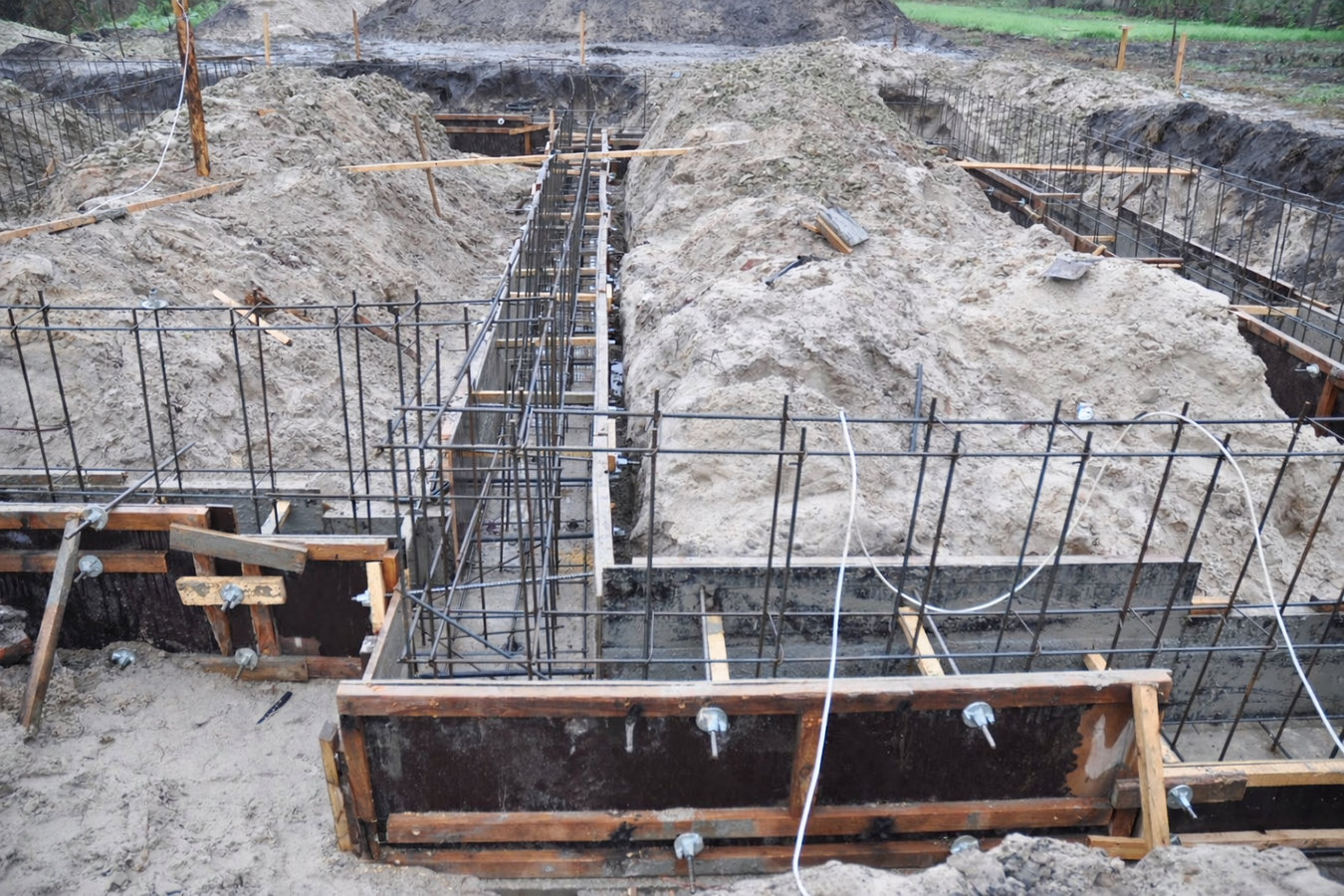
Concrete footings in Prescott Valley are the buried concrete bases that sit below your deck posts, addition walls, or retaining wall - dug into stable ground so they can spread the weight of whatever is built on top. The work involves digging to the required depth, setting up forms, placing steel reinforcement, and pouring the concrete. Most residential footing projects run one to three days of active work, followed by a curing period before the next phase of your project can begin.
Prescott Valley's clay-heavy soils make footings more than a box to check off a permit list. Clay expands when it absorbs monsoon moisture and shrinks when it dries - that push-and-pull is exactly what causes decks to tilt and additions to crack over time. A footing designed without accounting for local soil behavior will not hold up the same way here as it might in a more stable environment. If your project also involves a larger structural base, our foundation installation service covers the full scope of below-grade concrete work.
If a door that used to swing freely now drags on the floor, or a window no longer closes flush, the frame around it may have shifted. This kind of movement often traces back to a footing that has settled or cracked beneath the structure. In Prescott Valley, clay soils can cause this movement even in relatively new construction after a wet monsoon season followed by a dry stretch.
Diagonal cracks in drywall or stucco - especially radiating from corners of door or window openings - are a classic sign that part of your home's base has moved. Hairline cracks from normal settling are common, but cracks wider than a pencil line, or ones that are growing over time, deserve a professional look before they get worse.
If you can see a gap forming between your deck and the main house, or if the deck surface has started to tilt noticeably, the posts or piers holding it up may have shifted. Deck footings are often the first to show problems because they are smaller and shallower than foundation footings - and this is worth addressing before the structure becomes unsafe to use.
If you are planning a room addition, a new deck, a detached garage, or a retaining wall, you will need footings before any framing or block work can begin. This is not a sign of a problem - it is the required first step. Skipping or undersizing footings to save money upfront is one of the most expensive mistakes homeowners make on addition projects.
We pour concrete footings for decks, room additions, retaining walls, detached garages, pergolas, and other structures that need a solid anchor in the ground. Every project starts with a site visit - we look at the specific soil conditions, measure the area, and assess drainage around the site before quoting anything. In Prescott Valley, both of those factors matter because the clay-heavy soils here require footings that are sized and reinforced for the way the ground actually behaves, not for ideal conditions somewhere else.
For projects that involve a full structural base rather than individual piers, we also offer foundation raising for homes where the existing foundation has settled and needs correction. If your project combines footings with a broader foundation installation, we can handle the full scope as a single coordinated project so the work is done in the right sequence without handoff gaps between contractors.
Best for homeowners building or replacing a wood or composite deck who need properly sized concrete piers anchored below the frost line.
Best for homeowners adding a room, sunroom, or detached structure who need permitted strip or pad footings to carry the new load.
Best for homeowners building a concrete or block retaining wall on a sloped lot who need a reinforced base that handles lateral soil pressure.
The soil conditions across Prescott Valley are one of the most important factors in how footings are designed. Clay-heavy ground absorbs water from monsoon rains and expands - then contracts again as the soil dries through the fall and winter. That cycle puts stress on any concrete that sits in or on the soil, and footings that were not sized and reinforced with this behavior in mind will crack, shift, or pull away from the structures above them. The USDA Web Soil Survey documents the specific soil types across Yavapai County, and contractors who are familiar with local conditions use that knowledge during the assessment phase.
The Town of Prescott Valley also requires a permit and pre-pour inspection for most structural footings. That inspection happens before the concrete is placed, so an independent set of eyes confirms the depth, reinforcement, and sizing are correct before the work is buried. Homeowners in Prescott and Chino Valley face similar soil and permit conditions, and our crews have worked across all of these communities. If a contractor suggests skipping the permit to move faster, that is a red flag - the permit protects you, not just the process.
We will ask a few basic questions about what you are building and roughly where on your property. You do not need to have all the details figured out yet. We will schedule a site visit to look at the soil conditions and assess the scope in person. Expect a reply within one business day.
We come to your property, check the ground conditions and drainage, and measure the area. You receive a written estimate that itemizes the scope, the concrete depth, the reinforcement plan, and how permits will be handled. No phone-quote guesswork.
We pull the permit from the Town of Prescott Valley Building Safety Division, schedule the excavation, and arrange the pre-pour inspection. The inspector confirms depth, size, and steel placement before any concrete is ordered. This typically adds a few days to the front of the project.
Once the inspection passes, we pour the concrete and let you know the specific curing timeline before framing or block work can begin on top. Most projects need three to seven days before the next phase starts. We walk you through exactly what to expect so your project keeps moving on schedule.
Free written estimates. Permits handled for you. We reply within one business day.
(928) 458-7263Structural footings in Prescott Valley require a permit and a pre-pour inspection through the Town of Prescott Valley. We handle the application and keep you updated on the timeline. You should never have to chase a contractor for a permit update - and with us, you will not have to. The inspection protects your project as much as the concrete does.
Clay-heavy soil is not a generic problem - it is a specific local condition that requires specific choices about footing depth, width, and steel reinforcement. We size every footing around what is actually under your property, not a one-size template. That attention to local soil conditions is one of the main reasons our footings hold up through multiple monsoon seasons without shifting.
Arizona law requires concrete contractors to hold an active license through the Arizona Registrar of Contractors. You can look up any contractor's license status online before you agree to anything. A licensed contractor has met the state's minimum standards for insurance, training, and financial accountability.
Every estimate we give you is in writing and breaks down exactly what is included - excavation depth, reinforcement, materials, permits, and labor. There are no vague totals that leave room for surprises mid-project. If anything unexpected comes up during excavation, we discuss it with you before continuing rather than presenting you with a larger bill at the end.
Taken together, these details - the permit management, the soil-specific reinforcement, the state license, and the written pricing - add up to a footing project that holds up, passes inspection, and lets your larger project move forward on the schedule you planned.
If an existing foundation has settled unevenly, foundation raising corrects the problem before further structural damage can occur.
Learn MoreFor projects that need a complete new foundation rather than individual footings, our foundation installation service covers the full below-grade concrete scope.
Learn MoreSpring and fall book up fast - reach out now and lock in your project date before the schedule fills.