
Loading...
Serving Prescott Valley, AZ and surrounding areas. (928) 458-7263
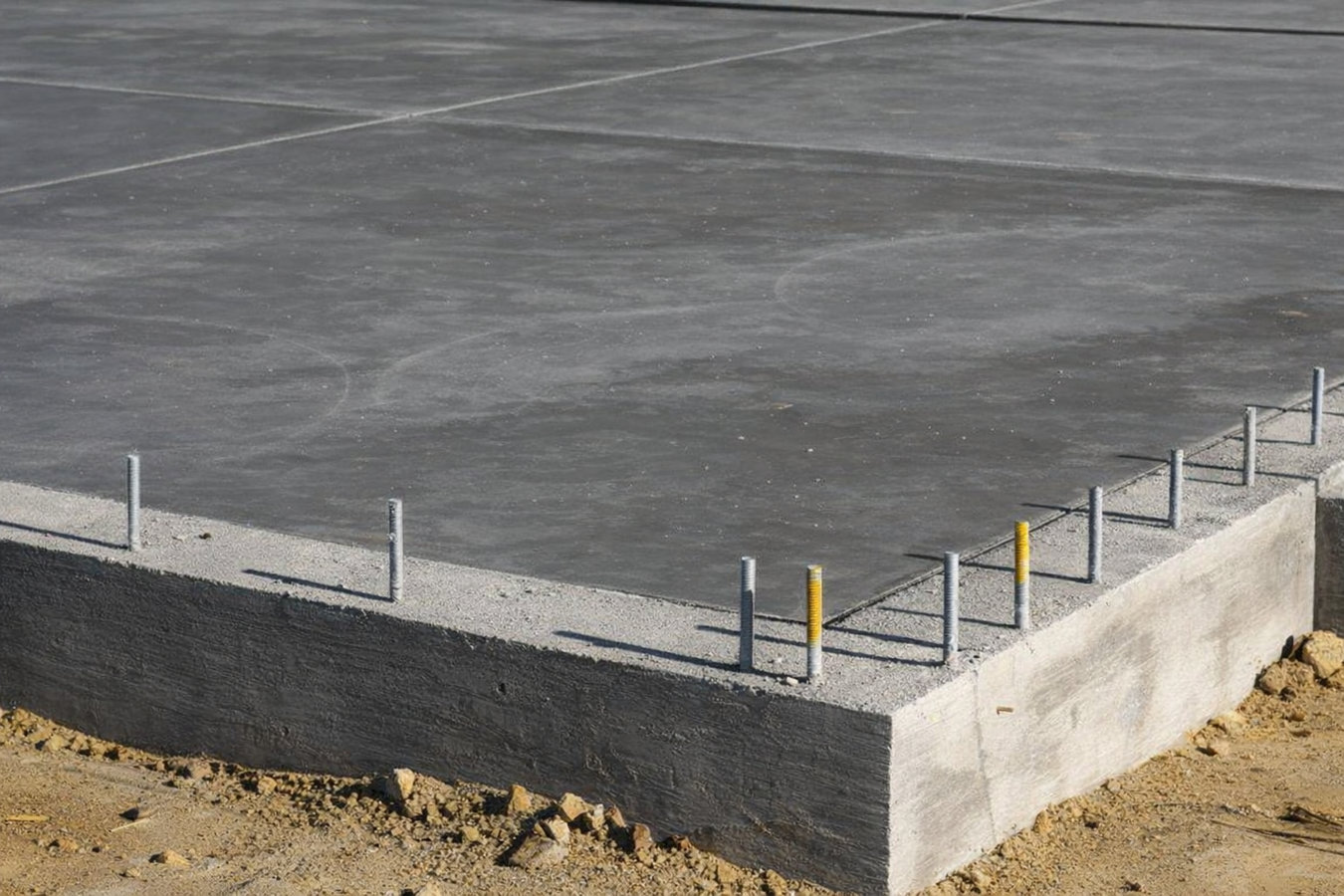
Prescott Valley Concrete Company is the concrete contractor Chino Valley homeowners call for slab foundations, driveways, retaining walls, and flatwork - licensed through the Arizona ROC and familiar with the freeze-thaw cycles, caliche layers, and monsoon drainage challenges that define concrete work at this elevation.
Chino Valley properties - especially the larger lots outside the town center - often include detached garages, workshops, and auxiliary structures that need proper slab foundations, not just graded gravel. Our slab foundation building service includes breaking through caliche, bringing in proper base material, and designing the slab for the freeze-thaw temperature range at this elevation.
Many Chino Valley driveways are gravel - practical on large lots but dusty in summer and muddy after monsoon rains. A concrete driveway handles heavy vehicle traffic year-round, holds up through repeated freeze-thaw cycles, and does not wash away during the heavy storms that hit the area in July and August.
Sloped terrain is common on larger Chino Valley lots, and monsoon season accelerates erosion on any exposed slope. Concrete retaining walls provide long-term erosion control and drainage management - more durable than timber ties or stacked block at this elevation where freeze-thaw cycles stress every joint.
Chino Valley's open lots and rural setting give most homeowners the space for a substantial outdoor living area. A concrete patio properly sloped away from the house manages monsoon runoff without pooling and stays solid through winter freeze without the cracking that plagues poorly prepped flatwork in this climate.
New construction in Chino Valley - from primary residences to outbuildings on horse properties - needs foundations engineered for soils that include caliche layers and clay deposits. A foundation built without addressing those soil conditions will move when the ground cycles through wet and dry seasons, affecting everything built on top of it.
Detached structures, fence posts, and covered patio supports throughout Chino Valley need correctly sized footings that reach below the frost line to stay stable through winter. Footings that do not go deep enough will shift with each freeze-thaw cycle, causing everything attached to them to rack and settle unevenly over time.
Chino Valley sits at about 4,700 feet above sea level - high enough to get real winters with nights that regularly drop below freezing from November through March, and the town averages around 10 inches of snow per year. That freeze-thaw cycle is the main reason concrete work here requires more careful base preparation and joint placement than work at lower Arizona elevations. Water gets into small gaps, freezes, expands, and widens those gaps a little more each cycle. Over a few years, this turns hairline cracks into serious damage on any slab that was not poured with this climate in mind.
The soil profile in Chino Valley adds another layer of complexity. Much of the area sits on a mix of clay and sandy loam with caliche layers at varying depths - caliche is a hard, calcium-rich deposit that does not drain and resists excavation. When monsoon storms drop heavy rain in July and August, properties with caliche near the surface see water pool rather than percolate. That standing water migrates toward foundations and under slabs, causing settling and cracking that gets worse with each rain season. A contractor who does not account for this when preparing the base is setting the homeowner up for problems in a few years.
Our crew works throughout Chino Valley regularly, and we understand the local conditions that affect concrete work here. We pull permits through the Town of Chino Valley for every applicable job - homeowners should not have to navigate that process themselves, and no job we do leaves a homeowner with unpermitted work on their record. You can verify the Town of Chino Valley permit process through the Town of Chino Valley website.
Chino Valley grew quickly from the 1990s through the 2000s as people moved out of the Phoenix metro looking for larger lots and a quieter pace. That means a significant share of the housing stock is now 20 to 30 years old - the age when driveways, foundations, and patio flatwork often need serious attention. We work on properties along the Highway 89 corridor, in the newer neighborhoods closer to town, and on the larger rural lots and horse properties that give Chino Valley its distinct open character. Near Granite Creek, drainage considerations are especially important for any flatwork that needs to manage runoff from the surrounding terrain.
We also serve homeowners in nearby communities - including Dewey-Humboldt to the southeast, where conditions are similar, and Prescott to the south. The same freeze-thaw discipline and caliche awareness applies across all of these communities.
We respond within 1 business day. Concrete jobs in Chino Valley require a site visit before we can give you an accurate quote - soil conditions and lot layout vary enough across the area that we do not quote by phone without seeing the property first.
We come out, assess soil conditions, check caliche depth, evaluate any demo needed, and give you a written quote broken out by cost line. You will know what you are paying for before any work starts.
We apply for any required permits from the Town of Chino Valley before work begins. We schedule pours around the weather - avoiding monsoon afternoons in July and August and cold overnight temps in winter.
We complete the work to the spec in your written quote, arrange any required inspections, and leave your property clean. We are a local crew - reachable after the job is done if any questions come up.
We serve Chino Valley and the surrounding area. Call us or submit your project details and we will respond within 1 business day with a clear next step - no pressure, no vague estimates.
(928) 458-7263Chino Valley is a town in Yavapai County, located about 10 miles north of Prescott along Highway 89. The population has grown from around 7,800 in 2000 to over 13,000 today, driven largely by people relocating from the Phoenix metro area in search of more space and a slower pace. The town has a strong rural character - most properties outside the town center sit on an acre or more, horse properties are common, and the surrounding Chino Valley grasslands give the area an open feel that distinguishes it from suburban communities to the south. You can read more about the area's history and geography on the Chino Valley Wikipedia page.
The housing stock reflects the town's growth pattern - most homes were built after 1980, with a large share going up between 1990 and 2010. Single-family detached homes dominate, most are owner-occupied, and many include detached garages, barns, or workshops in addition to the main house. Neighboring communities include Prescott to the south and Dewey-Humboldt to the southeast - all part of the broader Prescott area that we serve regularly.
Durable driveways built to handle Arizona weather and daily use.
Learn MoreProfessional floor installation for residential and commercial spaces.
Learn MoreConcrete in Chino Valley needs to be built for this elevation and climate - call us or submit your project and we will get back to you within 1 business day with a clear plan.